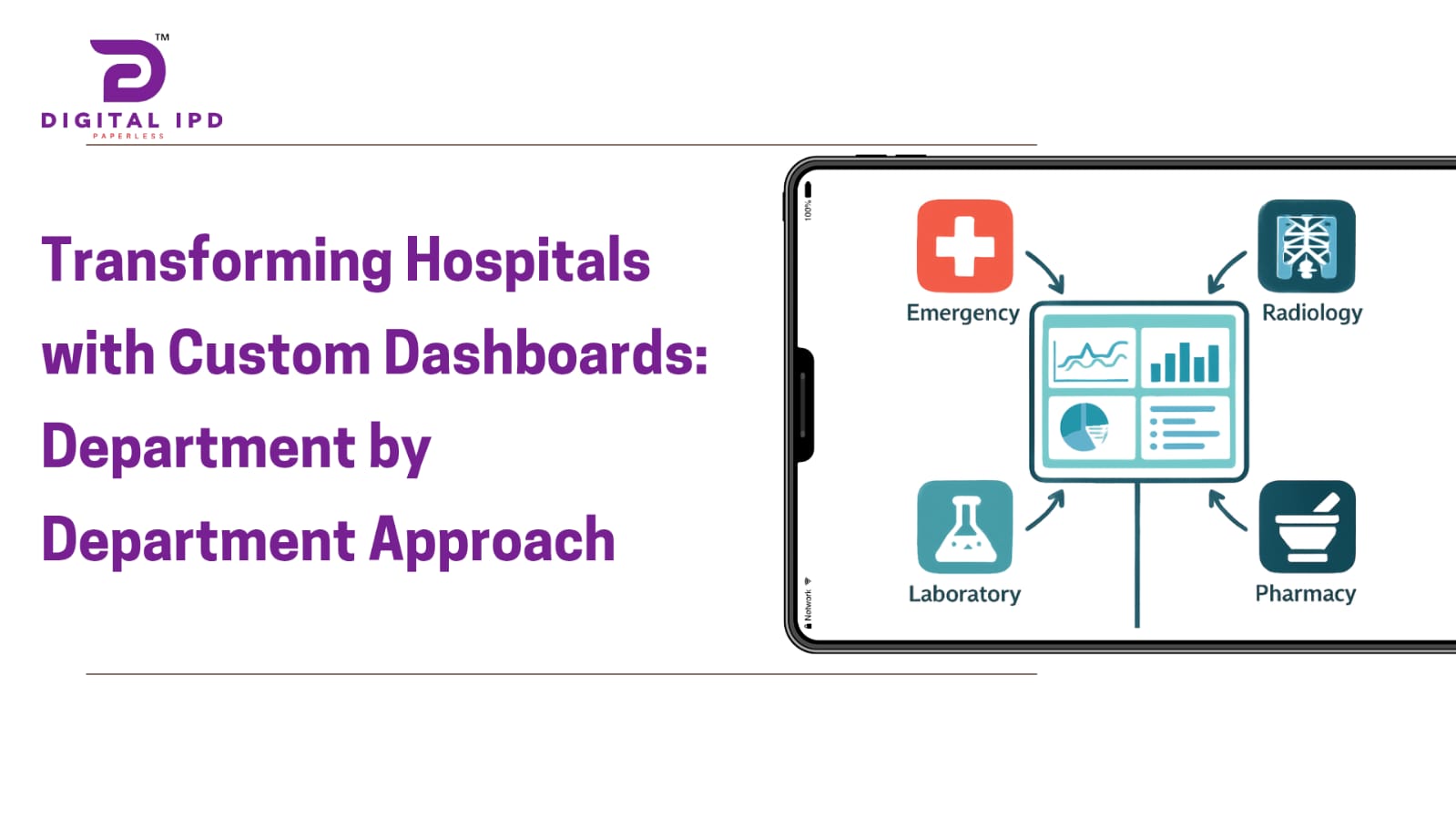
Step inside any bustling Indian hospital and you will immediately notice the controlled frenzy. Nurses shuffle between patients with stacks of files. Doctors squint at multiple monitors. Front desk staff field calls about bed availability. Underneath this organized chaos lies a critical insight: standardized systems often create roadblocks rather than solutions. This is precisely where specialized dashboards make their entrance, revolutionizing surgical suites, maternity wings and general wards.
Uniform systems struggle:Healthcare departments operate differently. A maternity unit's focus on fetal monitoring and delivery progress contrasts sharply with surgical theater's emphasis on instrument counts or general ward's bed management. Conventional approaches squeeze these unique workflows into rigid formats. The consequences? Errors increase, delays compound and staff stress mounts. With Indian hospitals facing unprecedented patient volumes, purpose built tools have become essential.
Surgical suites:
Operating rooms demand flawless coordination where moments matter. A dedicated surgical dashboard is not just informational, it actively safeguards patients.
- Visual safety protocols: Replace misplaced paper checklists with digital displays. These guide surgical teams through mandatory safety pauses, verifying instrument counts and surgical sites instantly. Hospitals using such systems report fewer preventable errors.
- Automatic procedure tracking: Surgeons activate timers with single taps, logging each stage from first incision to final stitch. This automatically updates patient records, reducing paperwork by nearly half.
- Unified team awareness: Vital signs, blood loss measurements and pending test results appear together. Everyone from anesthesiologists to nurses shares real time information without disruptive verbal updates.
Unexpected benefit? Apollo Chennai's operating rooms completed two additional surgeries daily after implementation, all within existing schedules.
Maternity units:
Maternity care balances celebration with vigilance. Here, dashboards predict needs before they become urgent.
- Integrated mother baby tracking: Fetal heartbeats and maternal vitals display side by side. If readings deviate, alerts prompt immediate action. Post birth, the system monitors infant feeding patterns and jaundice levels.
- Pre validated delivery kits: No more frantic searches for emergency supplies. The system confirms essential medications and equipment are stocked and accessible before labor intensifies.
- Streamlined discharges: Automated generation of birth documents, vaccine schedules and feeding guides turns discharge from a half-day ordeal into an efficient 45 minute process.
One Kerala hospital noted nurses spent 30 percent less time on paperwork afterward, freeing them for hands-on new mother support.
General wards:These high traffic areas battle hidden inefficiencies: bed shortages, discharge bottlenecks and communication gaps. Smart dashboards bring transparency.
- Live bed status maps: Color coded floor plans show available, occupied and cleaning in progress beds. Alerts notify cleaning staff the instant a patient departs, accelerating room readiness.
- Discharge tracking: Digital milestones replace paper chases. The system flags delays in medication approvals or billing, allowing timely interventions.
- Resource alerts: The dashboard highlights critical shortages like ventilators in the ICU or antibiotics in Ward 5, before they impact care.
At Nagpur General Hospital, patient stays shortened by over a day post implementation, creating capacity for more than 120 additional monthly admissions.
Beyond numbers:
Statistics cannot capture the everyday relief these tools bring. Surgeons focus on operations rather than repeated instructions. Nurses update records at bedsides instead of nursing stations. Anxious parents watch real time infant vitals with reassurance.
This is not mere technology, it is restored confidence. When systems adapt to departmental needs, staff rediscover their core mission: patient care, not administrative tasks.
Digital Ipd's customizable dashboards function like unseen conductors. They impose calm without commands, bringing clarity to India’s demanding healthcare environments. And within that clarity emerges something transformative: medicine that remembers its human heartbeat.
Curious how tailored dashboards could streamline your facility? Experience a department specific demo at Digital IPD.