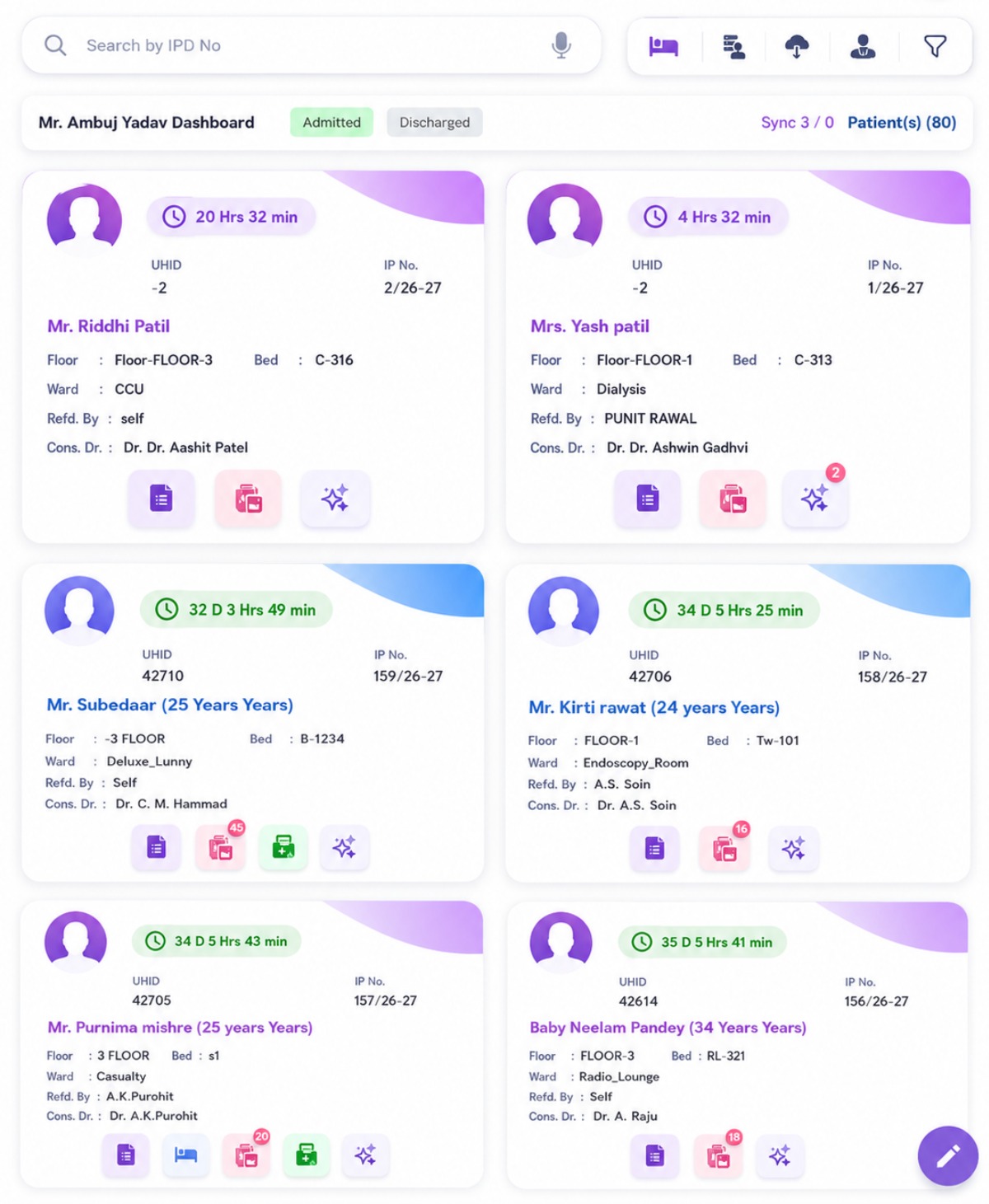
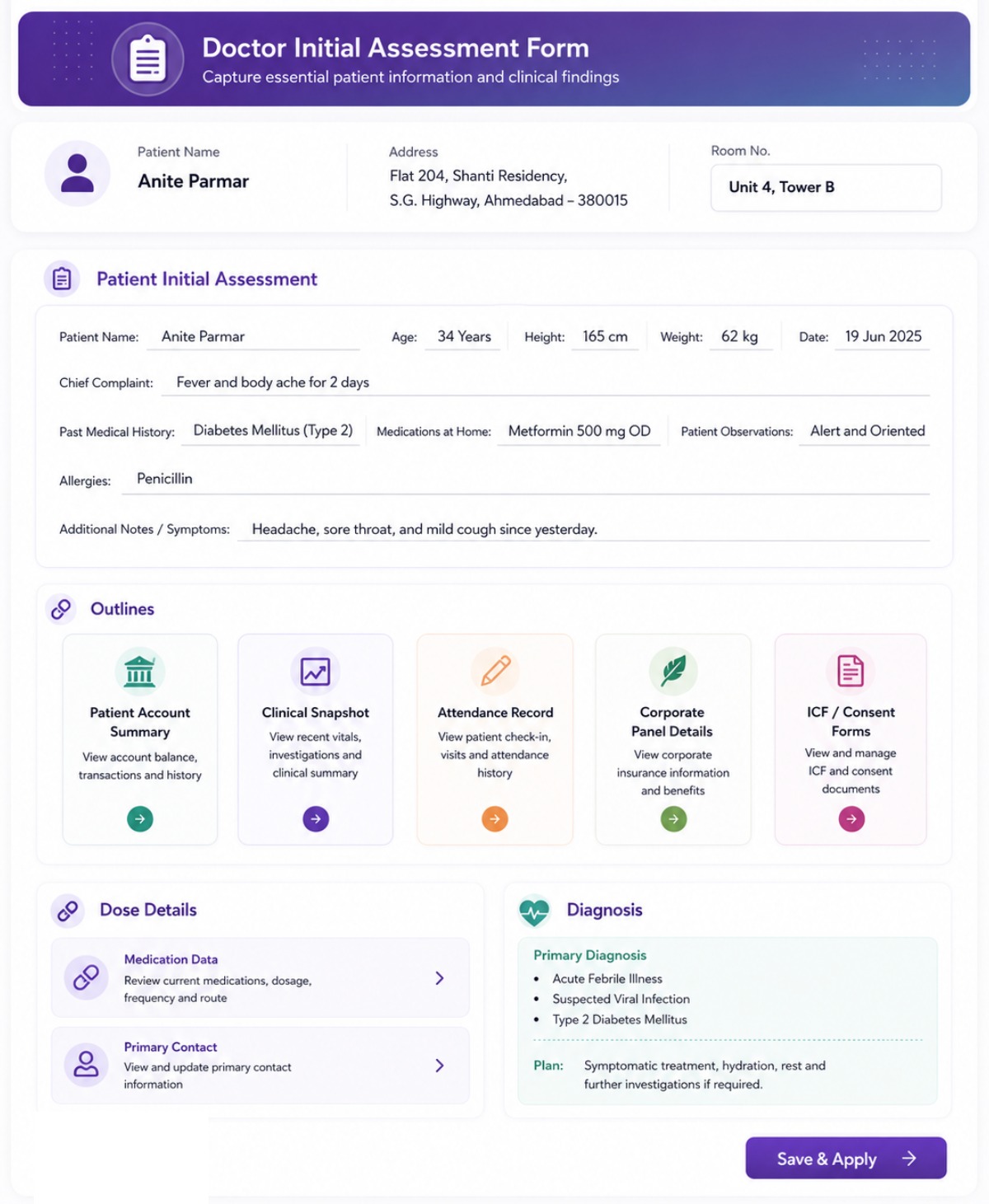
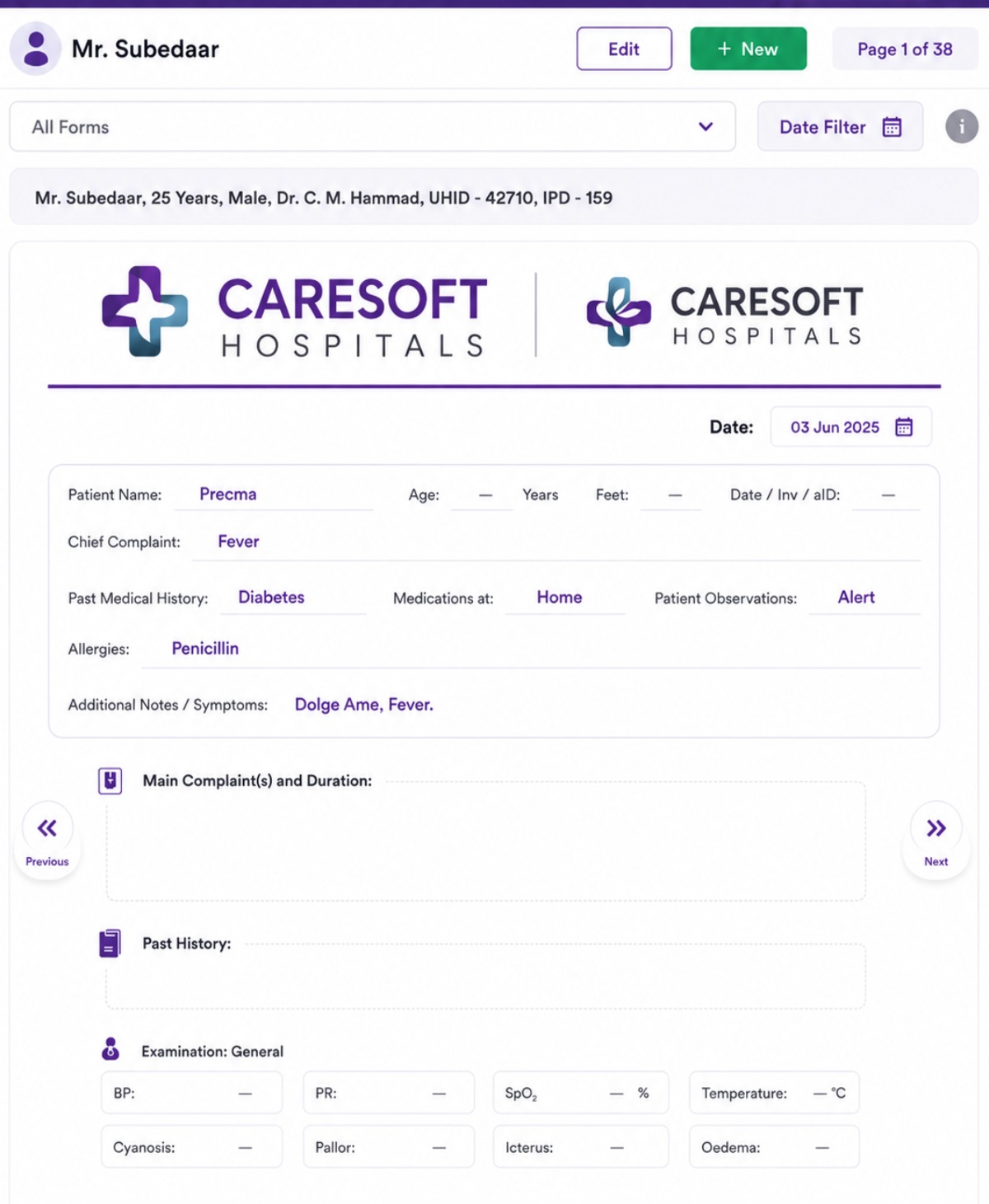
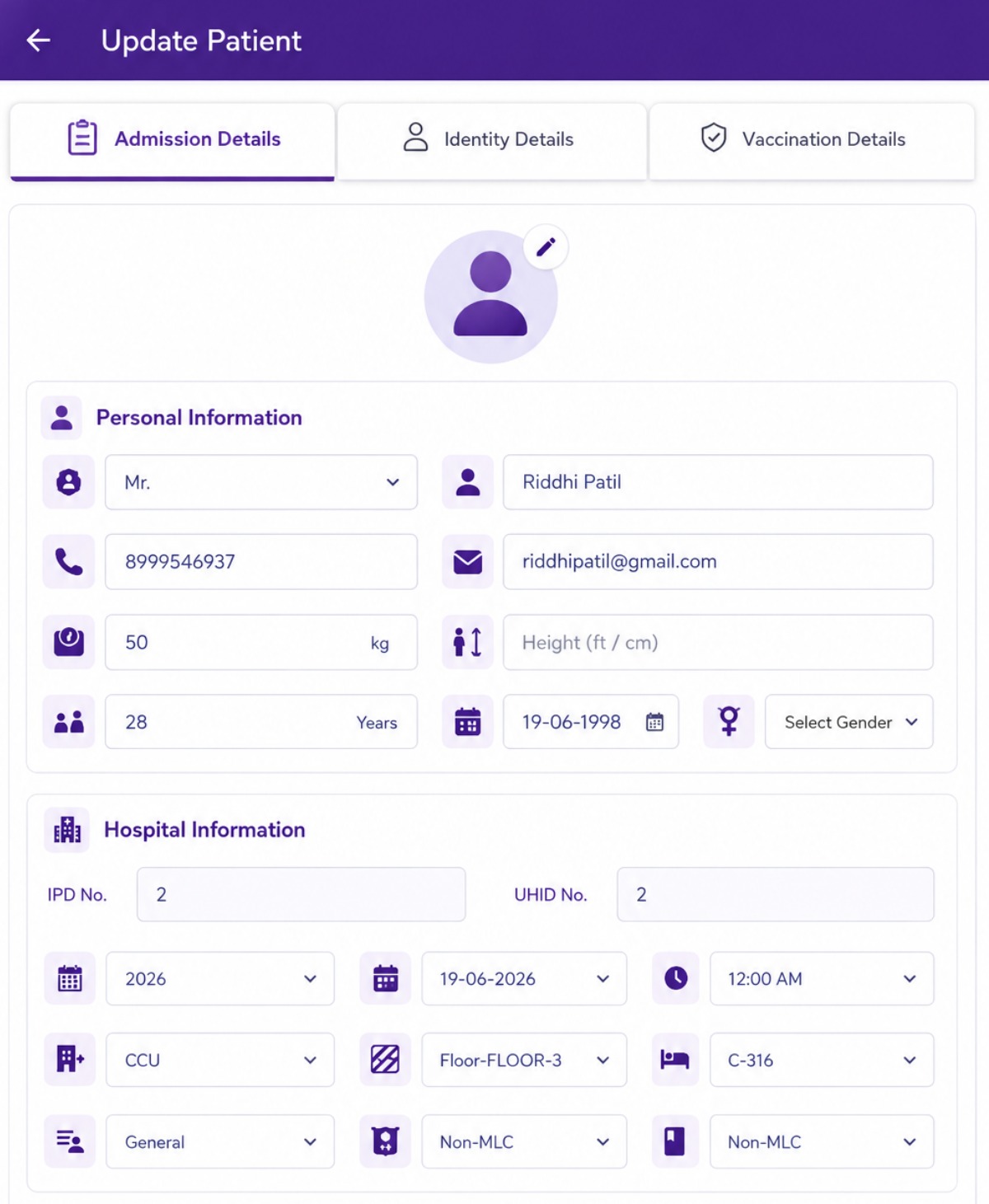
Digital IPD vs Traditional Paper-Based IPD: Complete Comparison
This article compares Digital IPD and traditional paper-based IPD systems across efficiency, compliance, cost, and patient safety, helping Indian hospitals evaluate a shift toward connected bedside documentation.
Read On..
What is a Digital MRD Management System? Full Guide
Digital MRD management systems replace paper based hospital record keeping with searchable, auditable digital workflows, supporting faster discharges, NABH readiness, and ABDM integration for Indian hospitals of every size.
Read On..
A Beginner’s Guide to Booking Your First Tele-Consultation
This reader-friendly blog explores A Beginner’s Guide to Booking Your First Tele-Consultation through the lens of DigitalOPD. We dive into A Beginner’s Guide to Booking Your First Tele-Consultation and remote care, digital healthcare to provide actionable insights for our community.
Read On..
What Is Digital IPD Software and How It Transforms Inpatient Care
Digital IPD software transforms Indian hospital inpatient care by replacing paper workflows with connected bedside documentation, improving nursing efficiency, clinical coordination, NABH compliance readiness, and patient discharge experience.
Read On..
Reduce OPD Waiting Time with Digital Tools: Smarter Patient Flow Management
Digital patient flow management, appointment automation, and healthcare analytics help reduce OPD waiting time by improving operational visibility and resource utilization. Modern healthcare technology creates smoother patient journeys, stronger communication, and more efficient outpatient care experiences.
Read On..
Digital IPD Benefits for Modern Hospitals: Improving Care, Efficiency, and Patient Experience
Digital IPD enables connected healthcare delivery through real-time information sharing, operational efficiency, and improved patient management. By supporting data-driven decisions, streamlined workflows, and enhanced care coordination, it helps modern hospitals build a stronger foundation for future-ready healthcare.
Read On..
Common Hospital Management Mistakes Technology Solves
Modern healthcare technology helps eliminate common hospital management mistakes by improving communication, resource utilization, data accuracy, and operational efficiency. Strong digital transformation strategies support better patient experiences, smarter decision-making, and long-term healthcare sustainability.
Read On..
Why Hospitals Need Centralized Patient Records
Centralized patient records improve healthcare coordination, patient safety, and digital healthcare efficiency through connected medical data systems. Unified healthcare management platforms support smarter clinical decisions, streamlined hospital operations, and stronger patient-centered care outcomes.
Read On..
Digital Transformation Trends in Healthcare 2026
Digital transformation trends in healthcare 2026 are reshaping patient care through AI, telehealth, interoperability, and smart healthcare ecosystems. Connected systems, patient-centered experiences, and intelligent healthcare infrastructure are becoming essential for modern healthcare growth and long-term adaptability.
Read On..
Best Practices for Hospital Workflow Management
Effective hospital workflow management improves patient flow, operational coordination, and healthcare efficiency through smarter systems and adaptive communication practices. Modern healthcare environments depend on digital integration, workflow optimization, and patient-centered operational strategies to improve long-term healthcare performance and sustainability.
Read On..
How Cloud-Based Healthcare Systems Work
Modern cloud based healthcare systems improve accessibility, operational efficiency, and patient coordination through scalable digital infrastructure and connected healthcare ecosystems. Understanding cloud computing in healthcare helps organizations and professionals adapt to evolving healthcare technology, remote care models, and data-driven healthcare operations.
Read On..
How AI Is Transforming Hospital Operations
The growth of ai in healthcare management and machine learning in revenue cycle management is reshaping hospital operations through smarter coordination, predictive analytics, and operational efficiency. AI-driven systems are improving patient experience, financial workflows, and proactive healthcare management while helping hospitals adapt to modern healthcare demands.
Read On..
IPD Software vs Traditional Hospital Management
Understanding opd ipd workflows and digital hospital infrastructure helps healthcare organizations improve operational efficiency, patient coordination, and long-term scalability. Modern IPD software creates connected healthcare systems that reduce manual dependency, streamline inpatient management, and support smarter hospital operations.
Read On..
Why Healthcare Data Security Matters More Than Ever
Strong medical data security and responsible data privacy in healthcare practices help protect patient trust, operational continuity, and digital healthcare growth. Modern healthcare systems increasingly rely on secure infrastructure, privacy awareness, and adaptive compliance strategies to maintain safe and connected care experiences.
Read On..
How Hospital Automation Saves Time & Costs
Modern hospital automation technology improves workflow efficiency, reduces operational delays, and supports smarter healthcare management systems. A connected hospital automation system helps hospitals save time, lower costs, and deliver more efficient patient-centered care.
Read On..
Hidden Costs of Hospitals Without Digital Workflows
Disconnected systems create major challenges in hospital management system operations by slowing communication, increasing inefficiencies, and weakening patient experience. Digital healthcare workflows improve operational visibility, reduce administrative strain, and help hospitals adapt to modern healthcare expectations more effectively.
Read On..
Future of Smart Hospitals in India
The future smart hospital ecosystem in India is transforming healthcare through connected systems, AI-driven monitoring, and intelligent patient care infrastructure. As smart hospital technology and digital healthcare evolve, hospitals are moving toward more responsive, accessible, and patient-centered healthcare systems.
Read On..
Why Real-Time Patient Data Access Matters
Real-time access to electronic health records data and connected patient database systems is reshaping healthcare communication, efficiency, and decision-making. Modern healthcare increasingly depends on integrated digital systems that improve coordination, strengthen patient experiences, and support smarter healthcare infrastructure.
Read On..
Smart Hospital Features That Truly Matter
Modern smart hospitals combine advanced hospital management system features, mobile accessibility, and patient-focused infrastructure to improve healthcare efficiency and experience. Integrated digital systems, scalable healthcare platforms, and intelligent workflow coordination are shaping the future of connected healthcare environments.
Read On..
How Hospital Automation Prevents Operational Errors
Modern hospital automation systems improve workflow accuracy, reduce operational errors, and strengthen patient safety through connected digital healthcare processes. Automation-driven healthcare infrastructure supports smarter coordination, predictive operations, and reliable hospital management while improving long-term operational efficiency.
Read On..
Why Digital IPD Systems Matter in Modern Hospitals
Digital IPD systems improve inpatient coordination, emergency department efficiency, and hospital-wide patient flow management through connected operational intelligence. Modern healthcare organizations adopting smarter inpatient workflows strengthen patient care services, reduce emergency boarding pressure, and improve long-term hospital performance.
Read On..
Paperless Hospital Management System Explained
A modern hospital information system combines digital records, automated workflows, and cloud-based healthcare tools to improve operational efficiency and patient experience. Connected solutions like hospital management software, inventory tracking, and medical billing systems help healthcare organizations build smarter and more reliable paperless environments.
Read On..
Why clinical data is often missing
Electronic health records software and EHR systems use automated alerts to improve accuracy and completeness of clinical documentation. By strengthening digital health records and ensuring every medical record is updated, these systems enhance efficiency and patient care in modern healthcare.
Read On..
Reducing Dependency on Manual Case Papers
Reducing dependency on manual case papers improves efficiency and accuracy in the healthcare system through digital solutions. The use of electronic health records software and digital health records ensures better data management and patient care.
Read On..
Clinical Documentation Standardization Across Departments
A well-integrated electronic health records software plays a central role in improving documentation consistency across departments. When combined with structured systems, it supports better data flow, reduces errors, and enhances overall clinical coordination.
Read On..
Digital Recording Of Vitals: Accuracy & Benefits
Digital recording of patient vitals enhances clinical accuracy by capturing real-time data directly from monitoring devices, minimizing human error associated with manual documentation. It ensures consistency, completeness, and reliable data flow, which are critical for informed decision-making and improved patient outcomes. Additionally, integration with broader digital health systems streamlines workflows, strengthens traceability, and supports efficient, coordinated care delivery.
Read On..
Automation In Nursing Documentation Workflows
Automation is transforming nursing documentation by reducing manual workload, minimizing errors, and improving efficiency. By streamlining repetitive tasks, it allows nurses to focus more on patient care while ensuring accurate, timely records that support better clinical decisions and workflow balance.
Read On..
Real-Time Clinical Data Capture In IPD
Real-time clinical data capture in IPD enables instant recording of patient information, ensuring accuracy and continuity of care. By integrating monitoring systems with electronic records, it reduces delays, manual errors, and communication gaps among care teams. This shift enhances clinical decision-making, improves coordination, and supports more responsive inpatient care delivery.
Read On..
Reducing Documentation Errors Through Digital Systems
Documentation errors in healthcare often arise from manual processes, time pressure, and fragmented communication systems rather than a lack of expertise. Digital documentation systems help reduce these errors by standardizing data entry, improving accessibility, and minimizing duplication. By shifting reliance from manual effort to system-supported accuracy, hospitals can significantly enhance the reliability and efficiency of clinical records.
Read On..
Automating Daily Case Sheets In IPD
Structured task automation in IPD reduces repetitive documentation in daily case sheets by streamlining data entry, improving workflow efficiency, and freeing clinical time while preserving accuracy and continuity in patient records.
Read On..